
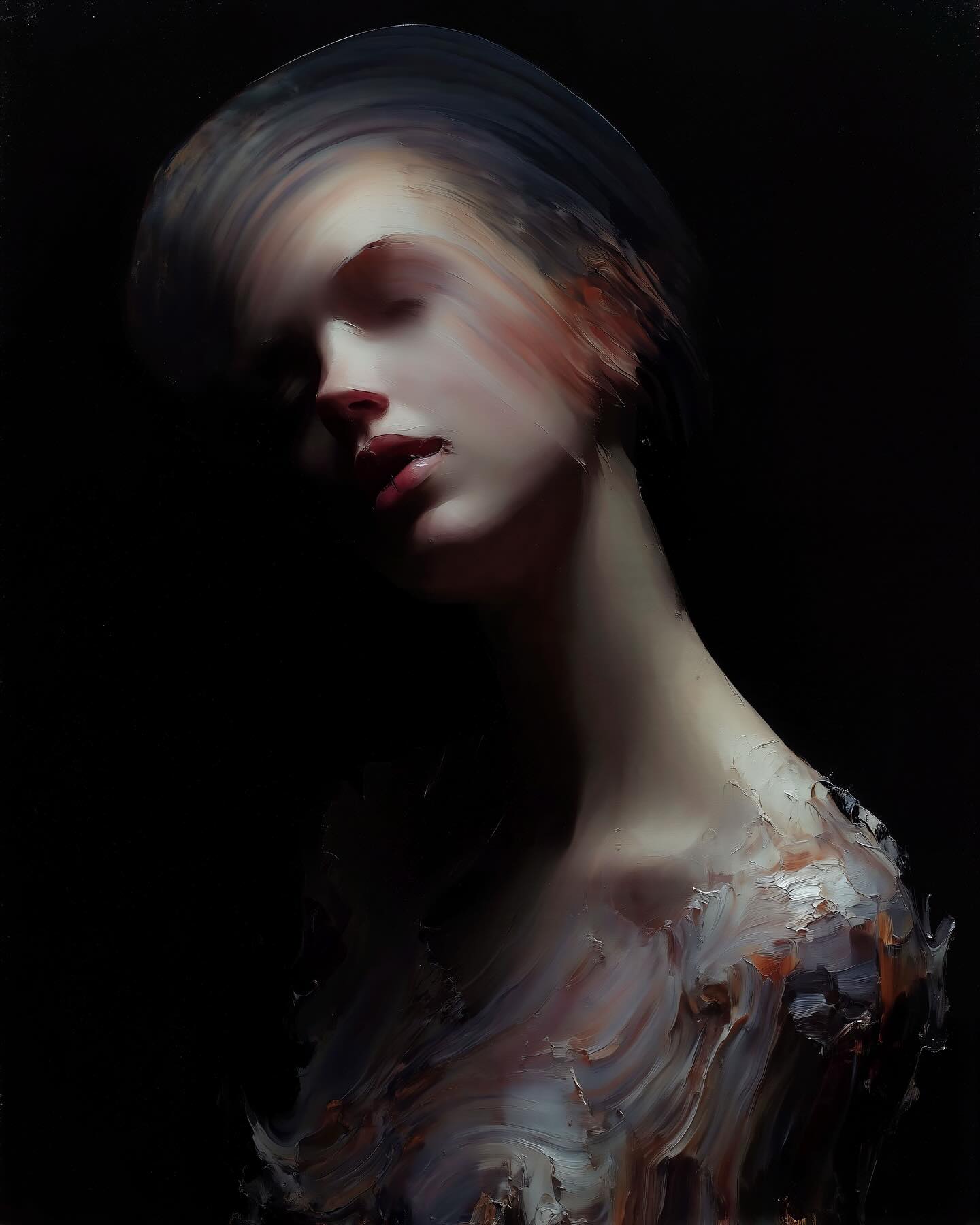
Faces Worth Meeting
Portraits that look back, and a few that refuse to.
Everyday Museum™
Everyday Museum™ is a living collection of original art paired with small, surprising stories about artists, movements, techniques, culture, and the strange business of being human.
One new work, every morning at 8:30.
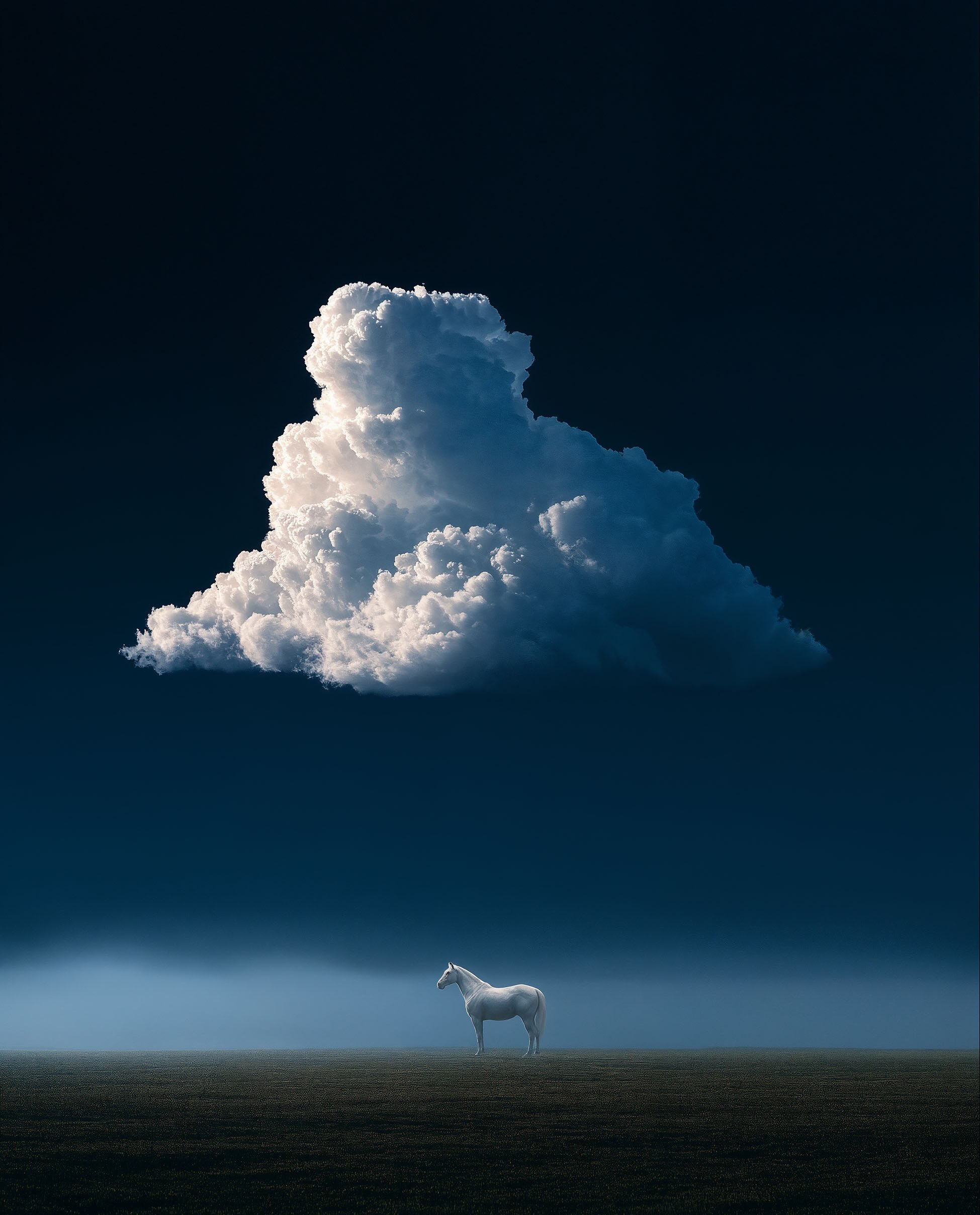
The horse has seen the forecast and chosen dignity. Alone in a dark field, he stands perfectly still beneath a cloud that looks less like weather and more like a mountain passing overhead. The light catches both figures—the bright edge of the cloud, the pale curve of the horse—while everything else slips into deep blue silence.
Discover the storyPortraits that look back, and a few that refuse to.
Rooms, objects and weather behaving badly.
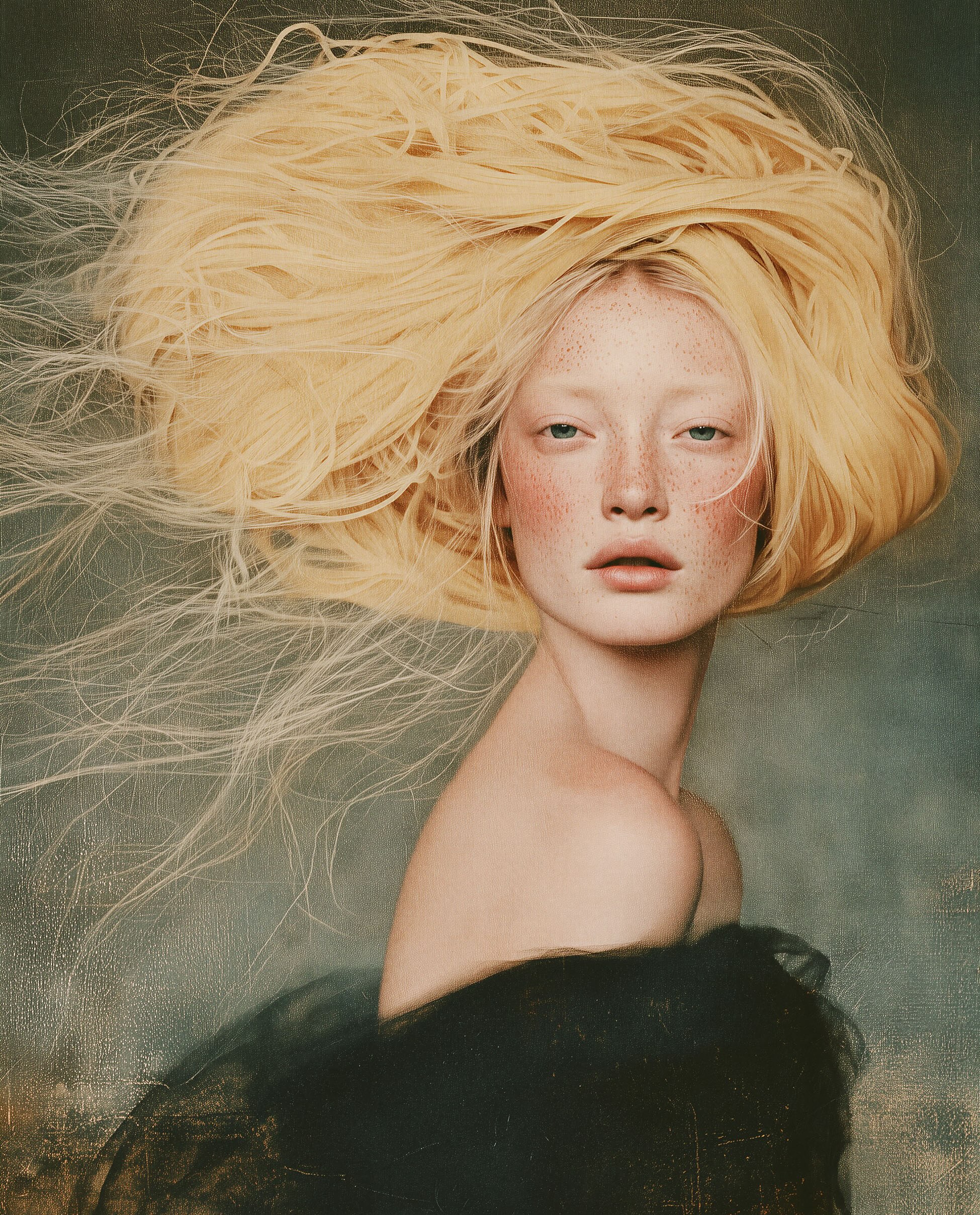
Straight-faced jokes hung at eye level.
No lesson required. The image is the reason.
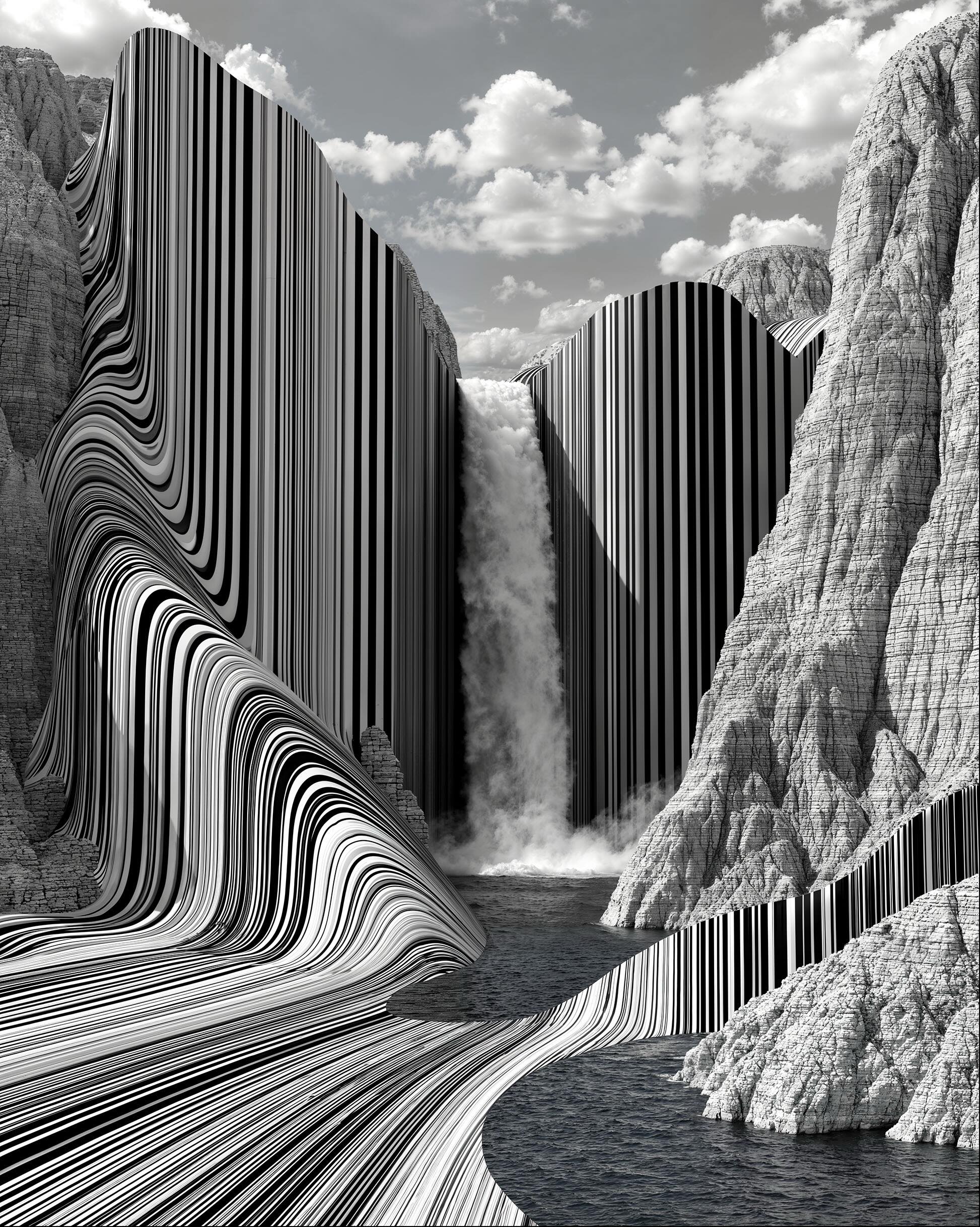
One fact per work, chosen to survive dinner.
At first glance, it looks like beauty caught mid-meltdown—portraits of grace dissolving into motion.
The face seems to be arriving and disappearing at the same time. Features smear, soften and pull sideways, leaving just enough information for us to keep trying to reconstruct the person underneath. That instability is the point. Francis Bacon used distortion to make the body feel psychologically exposed. Gerhard Richter blurred painted images until they hovered between photograph and memory. Marlene Dumas often lets faces dissolve into thin, vulnerable washes. Here, that lineage turns portraiture into something less fixed: identity caught in motion. The most interesting part may be the edges. Leonardo used sfumato to soften transitions and create depth. Here, softened edges do something more restless—they suggest time, movement and memory slipping out of focus.
Artists can use blur and dissolved edges to suggest memory, movement, time, or unstable identity.
Gerhard Richter often blurred painted images with brushes or squeegees, making them hover between photography, memory and painting.
A small number of works are released as museum-quality prints, signed and numbered.
See the editions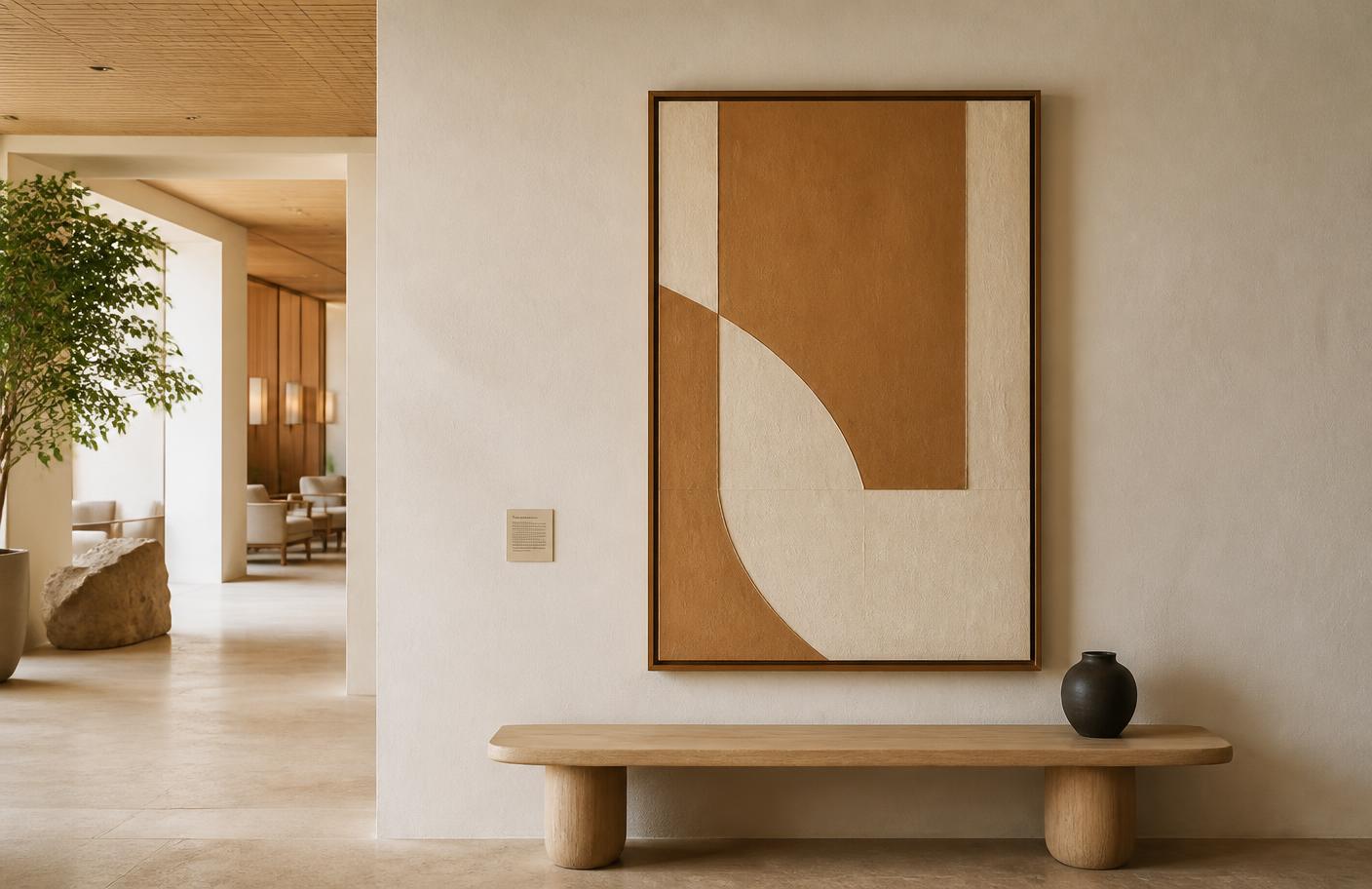
Everyday Museum™ can live across hotels, developments, residential communities, restaurants, workplaces, public spaces, walls, museum cards, QR experiences, rotating collections, and locally specific commissions.
Everyday Museum™ for Places“I didn’t set out to build a museum. I started making an image every day.”
The images kept arriving, and so did the questions behind them. The stories came next. Then it stopped being a habit and started being a collection.
Read the whole story